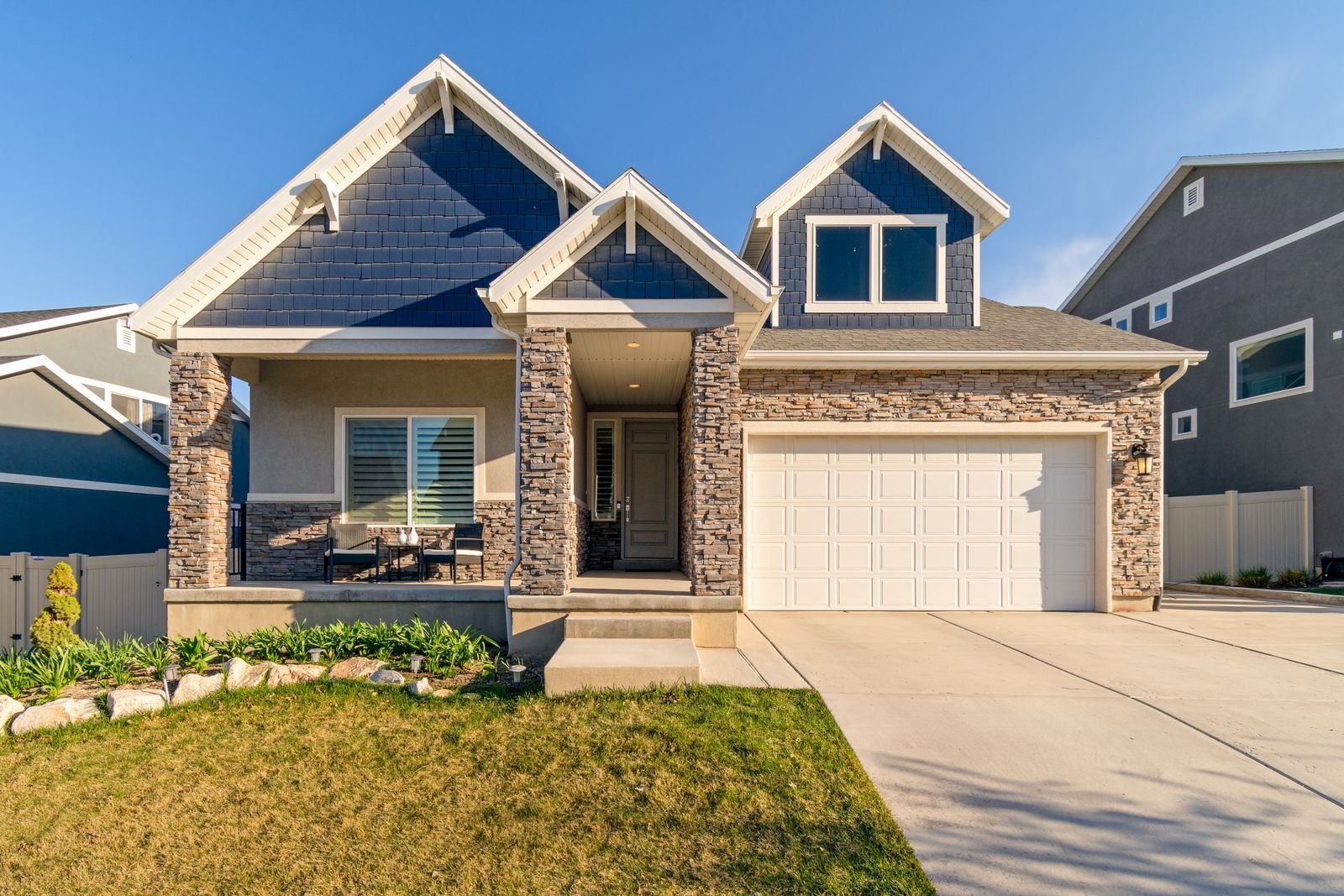
Mold Removal Along Division Street, Gresham OR
Finding dark spotting behind a storefront counter, smelling that musty earthy odor in a restaurant kitchen, or cleaning up after a roof or plumbing leak in a shop, office, or home along the Division Street corridor? Gresham Mold Removal is the local crew that inspects, finds the moisture feeding the mold, contains the area, and removes the growth to an IICRC S520-aligned standard. We serve the businesses and homes along Division Street on the north edge of Downtown Gresham across ZIP 97030.
Yes — We Treat Mold Along Division Street
If you run a business or live along Division Street — the major commercial thoroughfare that forms the north edge of Downtown Gresham and the Powell Valley core — you are squarely inside our service area, and we come to you. Gresham Mold Removal is a service-area business that focuses on one thing: finding mold, removing it, and stopping it from coming back by fixing the moisture that caused it. That focus is the point. The inspection is sharper, the removal follows the recognized IICRC S520 standard, and the water source behind the problem becomes part of the fix rather than an afterthought. We treat the full mix of buildings that line the corridor here — the storefronts and strip retail, the restaurants and their kitchens, the second-floor offices and mixed-use units, and the older single-family homes set just back from the route along ZIP 97030.
This page is the landmark hub for the Division Street corridor. It grounds the district, explains why the buildings along this commercial route collect moisture, and points you to the most direct next step. When you are ready to book work in this part of Downtown, head to mold removal near Division Street, which is the page for scheduling along the corridor. For the wider district picture you can step up to mold removal across Downtown / Historic Gresham, then to mold removal across Gresham, OR for the citywide view, and the full directory lives on our all Gresham neighborhoods and landmarks we serve page. Whatever you are seeing — a stain spreading on a ceiling tile, a musty smell that will not clear from a sales floor, or fuzzy growth along a back-room baseboard — call (713) 325-6192 and we will confirm it, find the source, and build a removal plan.
About the Division Street Corridor — and Why Nearby Buildings See Moisture
Division Street is one of Gresham's major commercial thoroughfares, running east-west and forming the north edge of the Downtown and Powell Valley core inside ZIP 97030. It carries a steady stream of traffic past a long ribbon of retail and service businesses — storefronts, strip-retail centers, restaurants and cafes, auto and trade shops, second-floor offices, and the mixed-use buildings that put apartments over ground-floor commercial space. Tucked in among them and on the side streets just off the route are the older single-family homes that have fronted this part of town for decades. That blend of commercial, mixed-use, and residential construction along one busy corridor is what makes Division Street useful and lively, and it is also why moisture problems in the buildings lining it deserve a closer look. To be clear, this is about the storefronts, restaurants, offices, and homes along the route, not the street itself; the point is simply that the building stock here has the kind of construction that traps water when something goes wrong.
Flat and low-slope roofs are the norm on strip retail, restaurants, and mixed-use blocks, and they fail differently than a pitched residential roof — a clogged drain, a cracked parapet, or a tired membrane lets water pond and seep in slowly, often above a drop ceiling where no one sees it for weeks. Restaurants along the corridor add their own load: a commercial kitchen pushes heavy interior humidity and grease-laden condensation into the air, and where that vapor settles behind walls, above ceilings, or around poorly sealed roof and exhaust penetrations, mold follows. Shared plumbing between stacked retail and apartment units means a drip on an upper floor can surface two storefronts away. HVAC systems cooling these spaces produce condensation at the air handlers and along condensate lines, and when a pan overflows or a line clogs, that water feeds mold above the ceiling tile. Add the Pacific Northwest's long, wet, cool season — roughly eight months of rain that keeps outdoor humidity high and pushes indoor humidity higher than people realize — and the aging storefronts and nearby Downtown homes see their own version of the same story: window condensation, damp crawl spaces, and the occasional roof or plumbing leak. None of it is exotic. It all traces back to water sitting somewhere it should not, which is exactly what an honest mold job has to find.
How We Help Businesses and Homes Along Division Street
Every job along Division Street starts with a real inspection. A technician confirms the mold, identifies the moisture feeding it, and maps how far it has spread before recommending anything — because removing mold without fixing the water just lets it grow back on the same schedule. In a storefront, restaurant, or mixed-use space that means checking above the ceiling tiles, behind kickplates and cabinetry, around HVAC condensate lines and kitchen exhaust runs, and at any roof penetration or wall shared with a neighboring tenant. In a home set back from the corridor it means the same disciplined look at the crawl space, the attic, the bathrooms, and anywhere a stain or musty smell points. The EPA's guidance frames the scope: a patch under about ten square feet is often a do-it-yourself job, but anything larger, anything tied to serious water damage, or anything inside an HVAC system calls for a professional and proper containment. The EPA and CDC are also clear that there is no safe airborne mold count to chase and no benefit to testing for its own sake — the fix is always to correct the moisture and remove the growth.
From there the work follows the IICRC S520 sequence. We seal the work area and run HEPA filtration with negative air pressure so spores cannot drift onto a sales floor, into a dining room, or into a neighboring tenant's space — the single biggest difference between a contained professional job and a wipe-and-pray that spreads a one-room problem through a whole building. Inside the containment we physically remove the mold and the porous materials it has grown into, since saturated drywall, ceiling tile, and insulation cannot be reliably cleaned. Then we dry the structure, treat the surfaces, and confirm the area is clean and the moisture is corrected before closing the job. For occupied businesses we stage the work to keep disruption to a minimum and the rest of the space usable, so a shop or restaurant rarely has to close for long. If you want to confirm a hidden problem first, a professional mold inspection is the right starting point, and the transactional mold removal near Division Street page covers our process and what to expect in full. For the underlying method, see our IICRC S520 mold remediation overview.
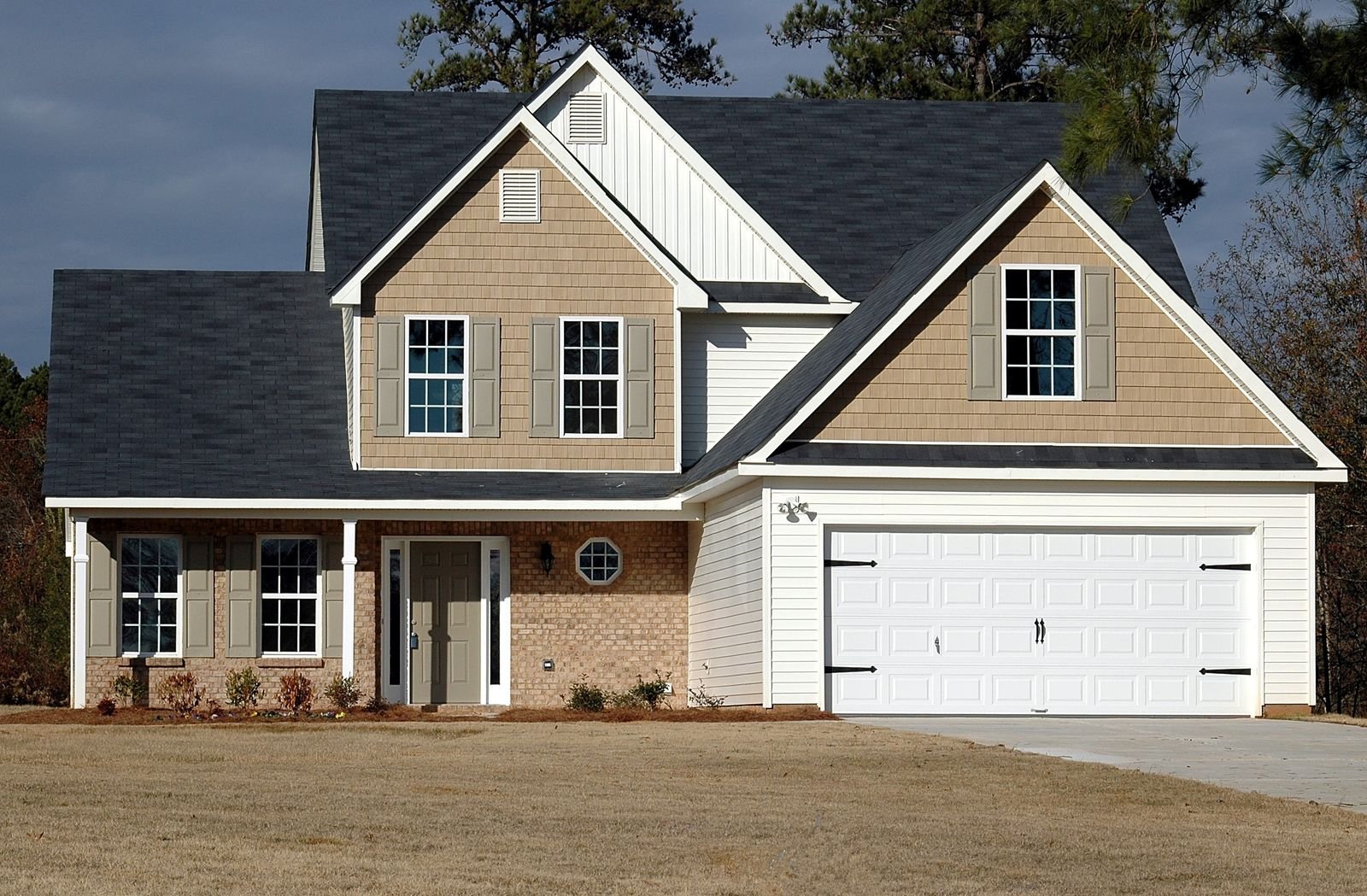
Contained Removal Protects the Whole Building
In the connected storefronts, restaurants, and mixed-use units along Division Street, mold disturbed without containment can send spores into neighboring tenants and the apartments above through shared walls and chases. A sealed, negative-pressure work area keeps the problem where it is — and a verified clearance confirms the space is clean and dry before we hand it back.
- HEPA filtration and negative air on every job
- The moisture source found and corrected, not just the stain
- Staged to keep storefronts and restaurants usable
One Local Team Across the Division Street Corridor
From the storefronts and restaurants fronting Division Street to the offices, mixed-use units, and homes on the surrounding blocks, it is the same Gresham-based crew across the whole corridor — a short local trip, not a cross-metro drive, with same-day assessments available for urgent water-damage cases. Step up to mold removal across Downtown / Historic Gresham for the district view, mold removal across Gresham, OR for the citywide picture, or browse all Gresham neighborhoods and landmarks we serve. You can also read how we work at Gresham Mold Removal.
Mold removal near Division StreetFrequently Asked Questions
Straight answers for the Division Street corridor.
Mold Along Division Street? Call Now.
Call Gresham Mold Removal at (713) 325-6192. Local inspection, the moisture source found, an IICRC S520-aligned removal, and verified clearance — for the storefronts, restaurants, offices, and homes along the Division Street corridor, ZIP 97030. Licensed, bonded, and insured.
(713) 325-6192Mold removal near Division Street