Mold Removal Services in Gresham, OR
Every part of a mold problem handled by one local team — from the first inspection to the final clearance. Diagnostic, removal, remediation, attic and crawl-space specialties, water-damage mold, verification, and prevention, all to an IICRC S520-aligned standard across ZIPs 97030 and 97080.
What Mold Services We Offer in Gresham
A mold problem can land anywhere on a spectrum — from a single suspicious patch you want a professional to confirm, to a wet crawl space that has been growing mold under the house for a season. That is why we offer ten distinct mold services rather than one blunt "mold removal" package. Some of them are diagnostic, some are about physically getting the mold out, some target the specific places Pacific Northwest homes fail, and some verify the result or keep it from coming back. Below, every service is described in plain terms with a link to its own page, and further down we explain exactly how we help you decide which one your situation actually calls for. If you would rather just talk it through, call (971) 434-5079 and describe what you are seeing — or read more about mold removal in Gresham, OR on our home page.
All Ten Mold Services We Provide
Tap any service to read the full detail, or call and we will point you to the right one.
Mold Removal
Physical removal of visible mold growth from the surfaces and materials it has colonized, done with proper containment.
Learn moreMold Remediation (IICRC S520)
The full S520 protocol — containment, HEPA filtration, removal, antimicrobial, drying, and a corrected moisture source.
Learn moreBlack Mold Removal
Safe, contained removal of Stachybotrys and other dark molds tied to chronic moisture — honest myth-vs-fact, no fear marketing.
Learn moreAttic Mold Removal
For roof leaks, blocked ventilation, and condensation on the sheathing — a common Gresham attic problem in a wet climate.
Learn moreCrawl Space Mold Removal
Ground moisture, failed vapor barriers, and standing water under the home — classic Pacific Northwest crawl spaces.
Learn moreWater Damage Mold Removal
Mold after a leak or flood, handled with the S500-to-S520 sequence: dry the structure first, then remediate.
Learn morePost-Remediation Clearance
Independent verification — visual, moisture, and air clearance — that confirms the job actually passed.
Learn moreMold Prevention
Humidity control, dehumidification, ventilation, and moisture fixes that stop mold from coming back after it is gone.
Learn moreInspection and Testing — Knowing What You Are Dealing With
The difference between mold inspection and mold testing trips up a lot of homeowners, so here is the clean version. An inspection is the diagnostic entry point: a technician visually assesses the growth, maps the moisture with meters, and traces the problem back to the water source feeding it. That is usually all it takes to scope a visible mold problem and build a removal plan. Our is where most jobs begin, because you cannot fix what you have not found, and the moisture source is the real target.
Testing is a different tool with a narrower job. Our sends air and surface samples to a lab for spore counts — useful when you smell or suspect mold but cannot see it, when you need to identify a species, or when you want a documented clearance after remediation. What testing is not is a routine requirement before removal. The EPA and CDC are explicit that there is no enforceable "safe" mold count for indoor air, so when mold is already visible the priority is removing it and fixing the moisture, not chasing a number a lab result cannot meaningfully give you.
Removal, Full Remediation, and Black Mold
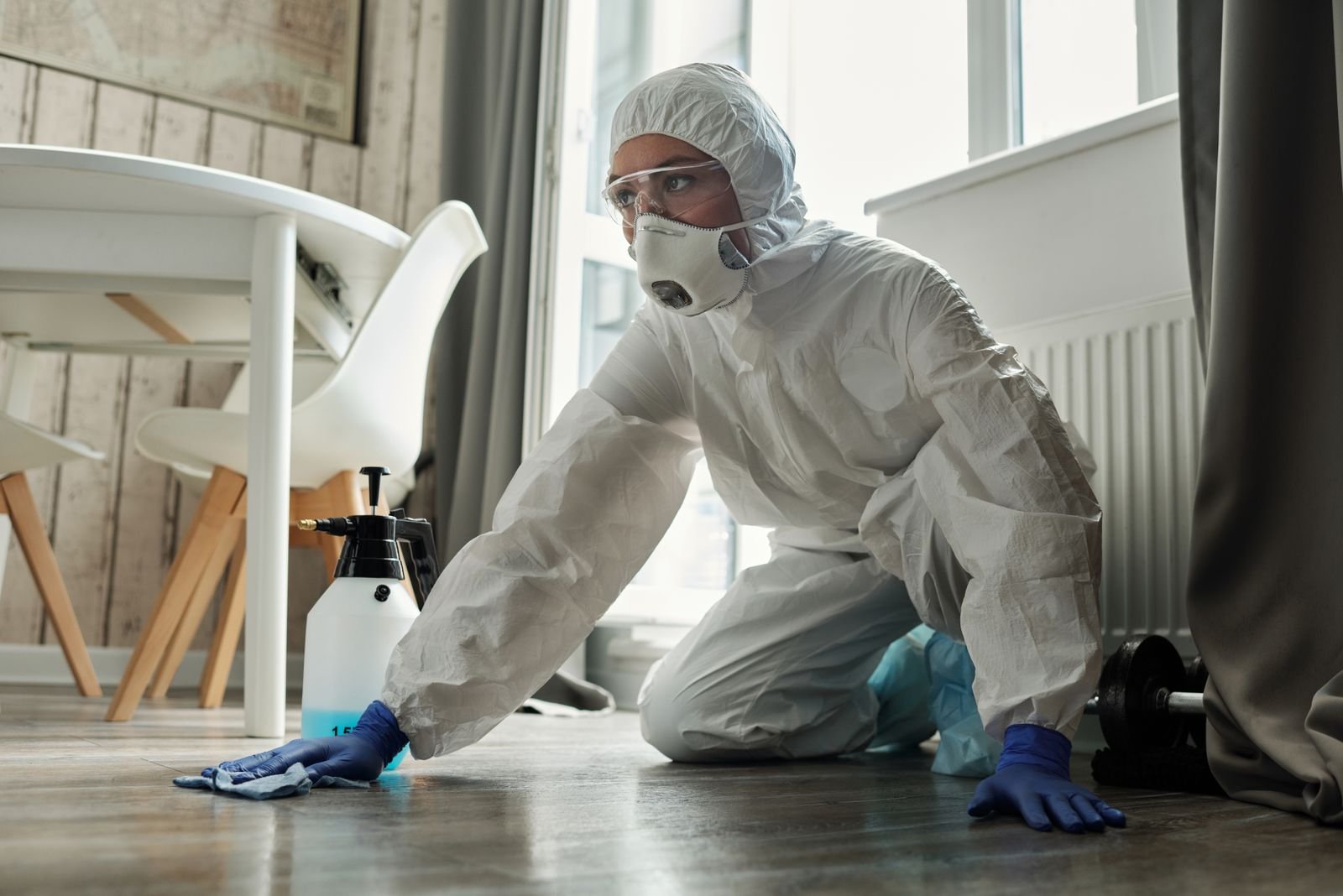
People use "removal" and "remediation" interchangeably, but the difference matters when you are choosing a service. Plain mold removal is the physical act of getting visible mold off and out — appropriate for a contained, surface-level problem where the scope is clear. Full IICRC S520 mold remediation is the complete protocol: sealing the work area, running negative air and HEPA filtration so spores cannot drift into clean rooms, removing the porous materials mold has grown into, applying antimicrobial, drying the structure, and correcting the moisture source. Remediation is what a larger or hidden problem needs, and the containment step is the single biggest thing separating a professional job from a DIY one that spreads a one-room problem through the whole house.
Black mold sits inside this same framework, despite the marketing around it. The species people mean is usually Stachybotrys chartarum, but color tells you almost nothing — many ordinary molds look dark, and you cannot judge a species by sight. The practical truth is that the response is identical regardless of color: all indoor mold gets removed the same careful way, with containment and a corrected moisture source. That is exactly how we approach black mold (Stachybotrys) removal — as a containment-and-moisture problem, not a reason to frighten you into a panic decision.
Attic, Crawl-Space, and Water-Damage Mold
Attic and crawl-space mold jobs are different animals from a bathroom or bedroom, and in the Pacific Northwest they are two of the most common problems we see. Attic mold is usually an airflow and venting story: warm, moist indoor air leaks up into a cold attic, a bath fan dumps humidity against the underside of the roof, ventilation is blocked, and mold grows across the sheathing. Fixing it is as much about correcting the venting as cleaning the wood, which is what our attic mold removal addresses. Crawl-space mold comes from below: bare soil and ground moisture rise into the joists and subfloor when a vapor barrier is missing, torn, or undersized, so our crawl space mold removal pairs removal with proper moisture control underneath the home.
Water damage is its own scenario, and yes — we handle the mold that follows a leak, not just the water. Because mold can begin growing within 24 to 48 hours of water exposure, speed matters. Our water damage mold removal uses a two-standard handoff: the IICRC S500 water-restoration standard to dry the structure correctly first, then the S520 mold standard to remove whatever mold the water created. Calling quickly after a leak or flood is the single biggest thing you can do to keep a water problem from turning into a much larger mold one.
Clearance and Keeping Mold From Coming Back
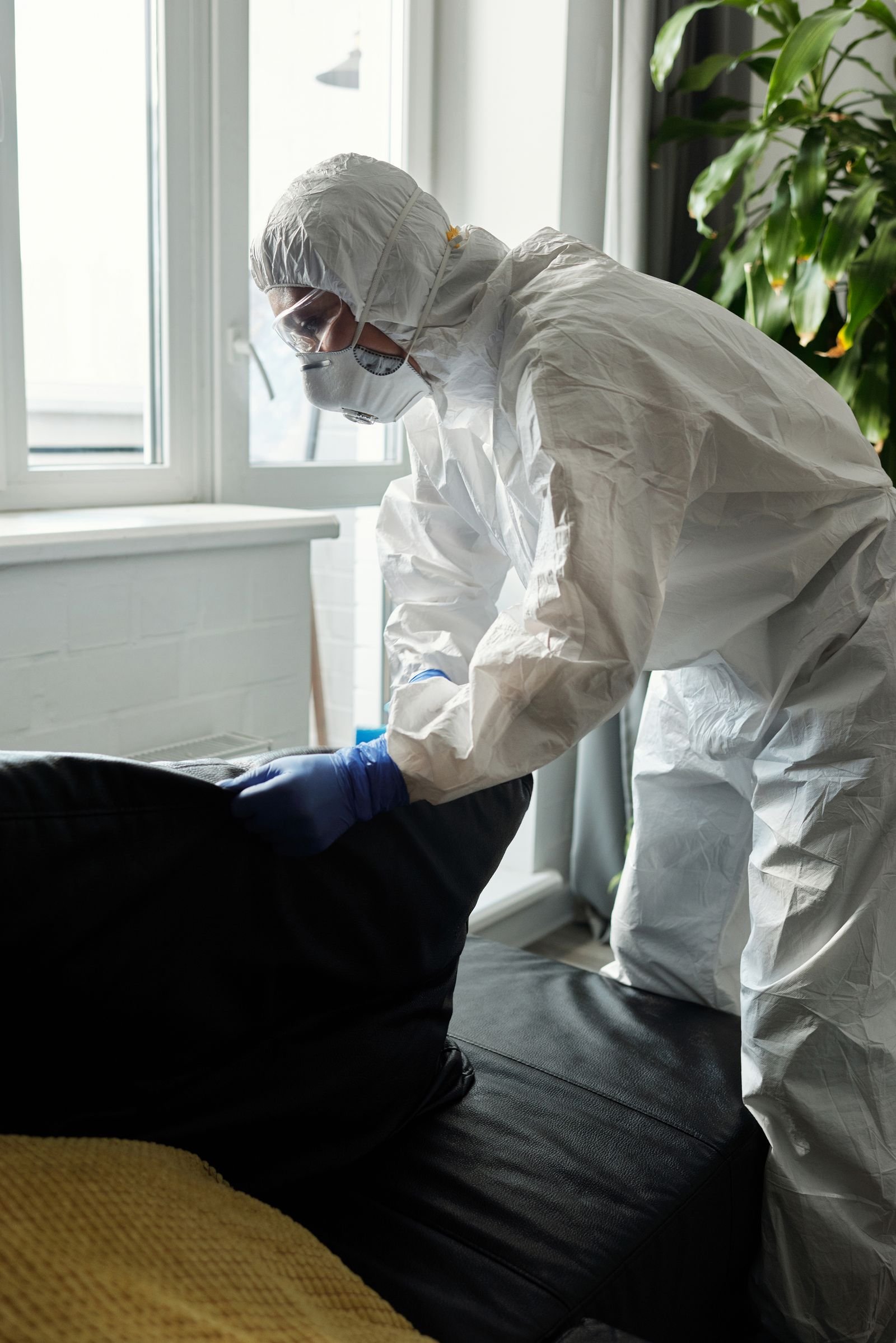
A post-remediation clearance is how you know the work actually passed instead of just looking finished. Ours — ideally done independently — verifies the result by comparing the cleaned area against the rest of the home and confirming it is visibly clean, dry, and back to normal, with moisture and air checks to back it up. If you are selling a home, settling a landlord dispute, or simply want proof the problem is gone, post-remediation clearance is the service that gives you a defensible record.
Keeping mold gone comes down to controlling water and humidity once the source is fixed. The most effective habit is holding indoor relative humidity under about fifty to sixty percent — which in a damp Gresham winter often means a dehumidifier in the basement or crawl space and exhaust fans that vent outdoors. Drying wet areas within a day or two, fixing leaks immediately, and maintaining the crawl-space vapor barrier and attic venting all starve mold of the water it needs. Our mold prevention walks you through the handful of changes that matter most for your specific home.
How We Decide Which Service You Need
Honest scoping built on what you can see, how far it has spread, and the EPA's 10-square-foot line.
Visible or Hidden?
If you can see or smell mold, an inspection scopes it directly. If you suspect it but cannot find it, targeted testing helps confirm a hidden problem before any removal begins.
How Big Is It?
We measure the affected square footage against the EPA's roughly 10-square-foot guideline — the line where a small DIY patch becomes a job that needs a contained, professional removal.
Fix the Moisture First
Whatever the service, the moisture source is corrected as part of the job, because the EPA is clear that mold returns if the water feeding it is not fixed.
Frequently Asked Questions
Straight answers to help you pick the right mold service.
Not Sure Which Service You Need? Just Call.
Describe what you are seeing or smelling and we will tell you whether it is an inspection, testing, removal, or full IICRC S520 remediation — honestly, and across all of Gresham, 97030 and 97080.
(971) 434-5079Call a Mold Specialist