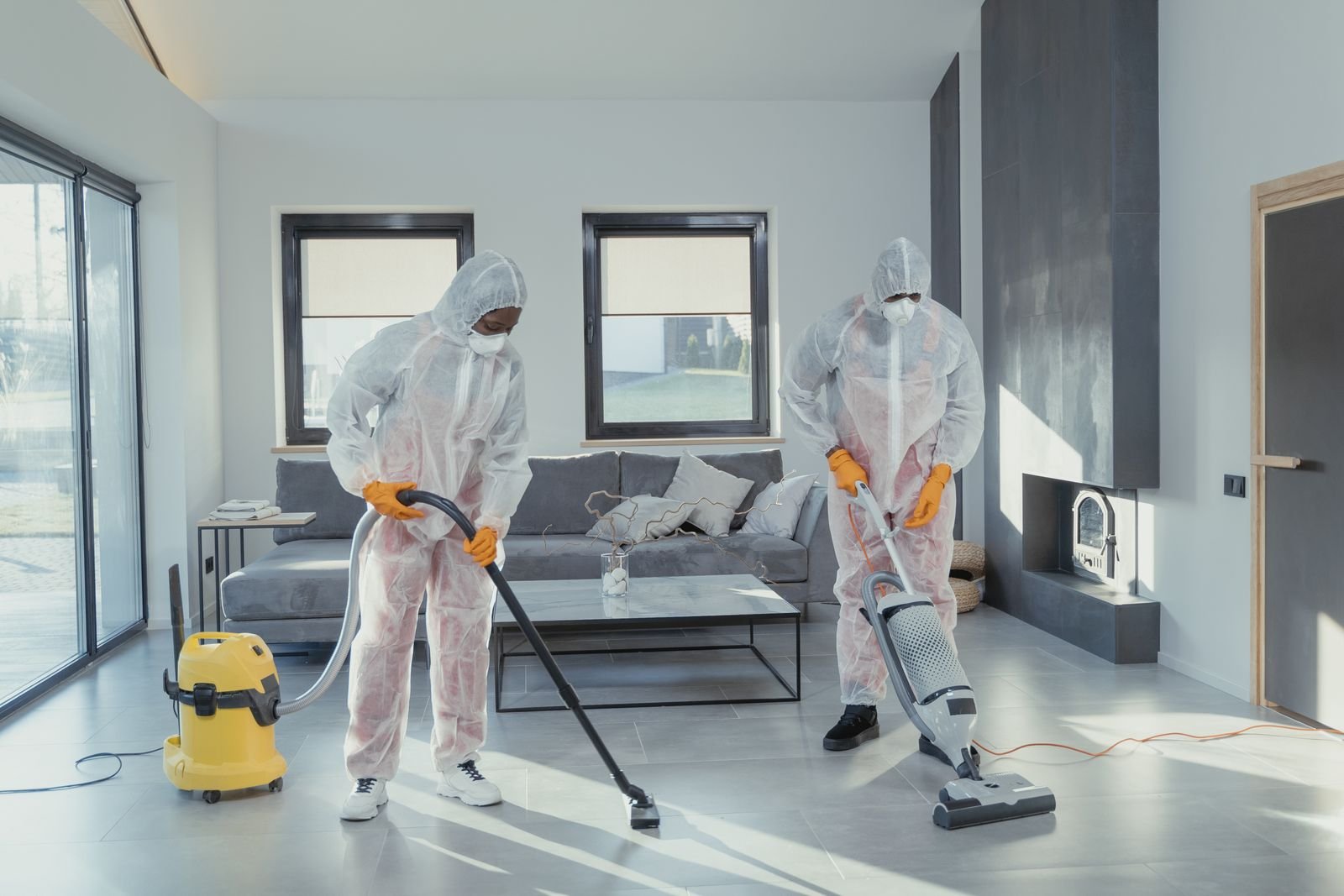
Water Damage Mold Removal in Gresham, OR — Dry It First, Then Remediate
A burst pipe, a failed water heater, an overflowed washer, or a winter roof leak can turn into mold within 24 to 48 hours. We move fast to dry the structure under the IICRC S500 standard, then remediate any mold that took hold under S520 — in the right order, so it does not regrow. With water damage, hours matter.
How Water Damage Turns Into Mold
Almost every indoor mold problem starts with a water problem, and water damage is the fastest route there. The moment building materials get wet, the clock starts: drywall, wood framing, insulation, carpet padding, and other organic materials are all food for mold, and once they are saturated they only need a little time before spores that are always present in the air take hold. Mold can begin colonizing wet materials within roughly 24 to 48 hours — faster than most people expect, and far faster than most people act. That short window is the entire reason speed matters so much after a leak or flood: the longer materials stay wet, the more certain it is that a water event becomes a mold event.
What makes water damage especially tricky is that the wetness you can see is rarely the whole story. Water runs downhill and wicks sideways, so it travels behind baseboards, under flooring, into wall cavities, and across a subfloor long after the visible puddle is mopped up. Surfaces can feel dry to the touch while the structure behind them is still holding moisture — and that hidden, trapped water is exactly where mold gets its quiet start. Beating the 24-to-48-hour window therefore is not just about wiping up what is visible; it is about getting the structure itself genuinely dry before mold has a chance to establish.
The Common Sources Behind Water-Damage Mold
The water can come from many directions, but a handful of sources account for most cases. A burst or leaking pipe — especially during a cold snap — can release a large volume of water fast and into wall cavities. Appliance failures are a frequent culprit: a water heater that lets go, a washing machine that overflows, a dishwasher or refrigerator line that fails. Roof and window leaks are common in this climate, particularly through the wet winter, sending water into ceilings, walls, and attics. And basement flooding, whether from drainage, groundwater, or a failed sump, can soak a lower level quickly. Whatever the source, the response is the same: stop the water, then dry everything that got wet before the mold window closes.
Dry First, Then Remediate — the S500 to S520 Handoff
There is a correct order to water-damage-and-mold work, and getting it backwards wastes money. The structure has to be dried first, and only then is any mold that took hold remediated. Drying is governed by the IICRC S500 standard, the recognized reference for water-damage restoration, and mold removal is governed by the IICRC S520 standard, the reference for mold remediation. These are two different standards for two different problems, and they are designed to work in sequence — S500 to get the structure dry, then S520 to deal with whatever mold grew during the wet period. Trying to remediate mold while the materials are still soaked just sets the stage for it to grow right back, because the moisture that feeds it is still there. Dry first, then remediate, is not a preference; it is the order the standards themselves lay out.
| Factor | Water-Damage Restoration (S500) | Mold Remediation (S520) |
|---|---|---|
| The problem it solves | Wet structure from a leak or flood | Mold that grew while materials were wet |
| Core work | Extract water, structurally dry to normal moisture | Contain, HEPA-filter, remove and treat mold |
| When it runs | First — immediately after the water event | After drying, only if mold took hold |
| Goal | Materials back to normal moisture content | Mold removed and the area verified clean |
| Skipping it | Leaves moisture that feeds new mold | Leaves growth that spreads and lingers |
Water Extraction and Structural Drying (S500)
The first job is to get the water out and the structure dry. That starts with extracting any standing water, then drying the building materials — not just the surfaces, but the framing, subfloor, and anything within the wet cavities — back down to a normal moisture content. Done properly under S500, drying is measured, not guessed: moisture readings confirm that materials have actually returned to normal before the work is considered complete, because "feels dry" and "is dry" are very different things inside a wall. Getting this stage right is what beats the mold window in the first place and what keeps a rebuild from trapping moisture behind new finishes.
When Mold Remediation Kicks In (S520)
If water sat long enough for mold to establish — or if the damage was discovered late — mold remediation under S520 takes over once the structure is dry. That means containing the affected area, running HEPA filtration, removing porous materials that cannot be cleaned, cleaning and treating what remains, and confirming the result. Because the drying came first, the remediation is working against a problem that is no longer being fed, so the removal actually holds. This is the same careful, contained process described on the IICRC S520 remediation process page — applied here as the second half of a water-damage response rather than as a standalone job.
What to Do in the First 24–48 Hours
The steps that beat the mold window — and the point where a professional response takes over.
- Stop the source. Shut off the water at the fixture or the main, kill power to affected areas if it is safe to do so, and stop more water from coming in — the leak has to be controlled before drying means anything.
- Remove standing water. Get visible water out quickly with whatever you safely can; the sooner the water is gone, the less it wicks into materials and the slower the mold window advances.
- Ventilate and move air. Open things up and get air moving to start surface drying — but understand this only touches what you can reach, not the moisture trapped in walls and floors.
- Call for professional drying. The EPA framing is useful here: a small area that is dried quickly may be manageable, but anything saturated, hidden, tied to sewage, or larger than roughly ten square feet warrants professional drying and remediation. Hidden and structural moisture needs proper extraction and metering to truly clear.
- Document as you go. Photograph the damage and the source for your records and any insurance claim before and during cleanup, so the timeline and scope are captured.
Just Had a Leak or Flood? The Clock on Mold Is Already Running — Call Now.
Mold can begin within 24 to 48 hours. We dry the structure under S500 and remediate any mold under S520, in the right order, so the fix actually holds. Tell us what happened and how long it has been wet.
(971) 434-5079Why Leaks Become Mold So Fast in Gresham
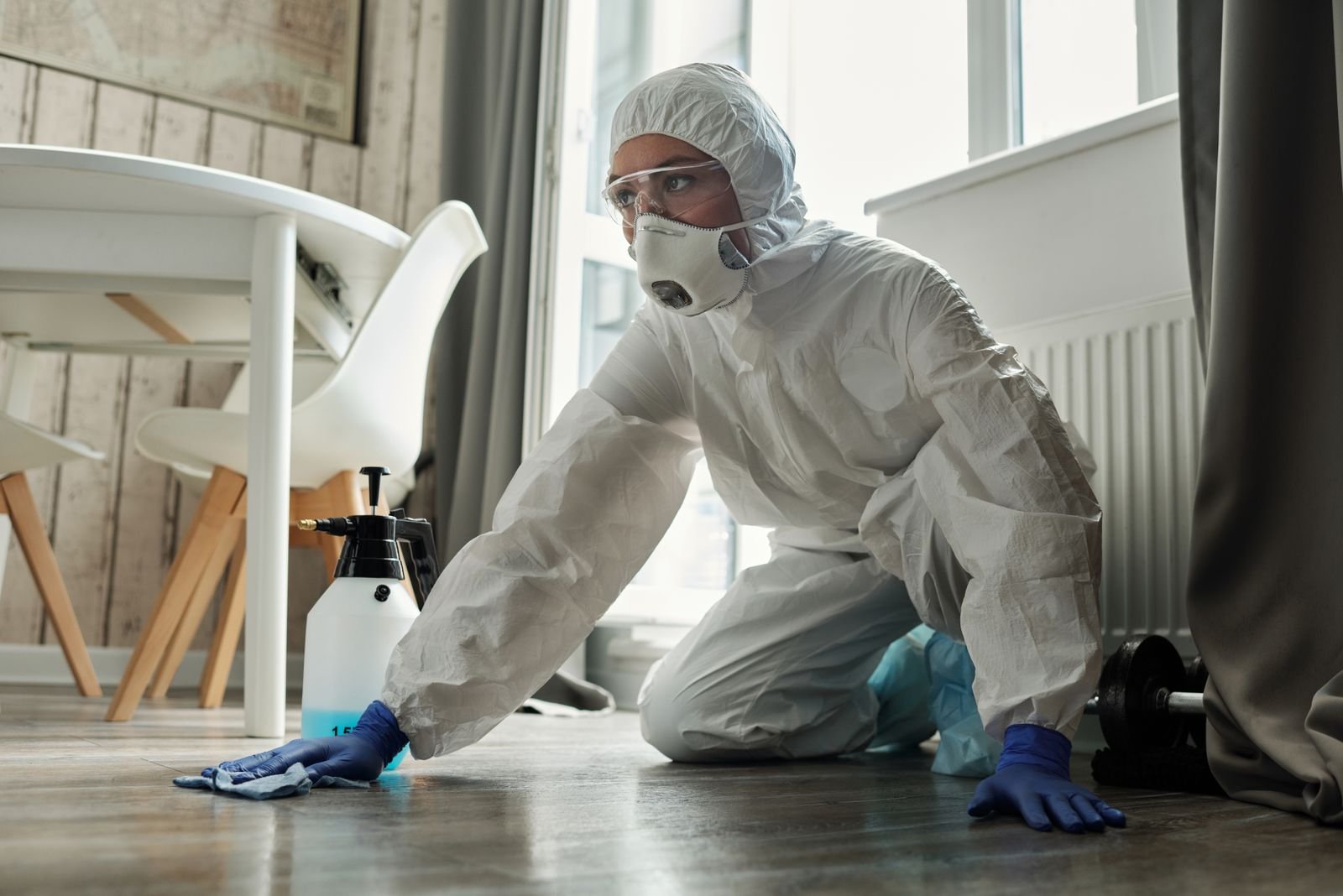
The same Pacific Northwest climate that defines Gresham also stacks the deck against anything that gets wet indoors. The wet season runs cool and humid for roughly eight months, and that combination is the enemy of natural drying. Damp materials shed moisture into the air, and air dries them in return — but only if the surrounding air is dry enough to accept it. When the ambient humidity is already high and temperatures are cool, materials give up their moisture slowly, so the wet window after a leak stretches out longer than it would in a hot, arid place. A spill that might air-dry in a day somewhere dry can stay damp for several here, and that extra time is exactly what mold needs to get a foothold.
Winter is when this bites hardest, because winter is also when water intrusion is most likely. Cold snaps stress plumbing and can burst pipes; months of steady rain find every weakness in a roof or around a window; and gutters and drainage that cannot keep up send water toward foundations and basements. So the season that slows drying is the same season that produces the most leaks — a difficult pairing that turns water damage into mold more readily here than in drier regions. The practical takeaway is the same one the standards point to: act fast, dry thoroughly, and do not assume "it dried on its own," because in this climate it often did not. We cover the citywide picture on our mold services across Gresham, OR page, and you can see the full range on our our full mold services page or read about mold removal in Gresham generally.
Water Damage Mold Questions, Answered
Straight answers to what Gresham homeowners ask after a leak or flood.
Water Damage in Your Gresham Home? Call Now.
Fast structural drying under S500, then mold remediation under S520 if it is needed — in the right order, by one local team. Tell us what happened and how long it has been wet.
(971) 434-5079Call a Mold Specialist