Mold Removal Near Cleveland Avenue Station, Gresham OR
Found mold in a home or apartment near the eastern Blue Line terminus at 1200 NE 8th Ave, a musty basement, or fresh damage after a leak near the park-and-ride? Gresham Mold Removal is the local crew that comes to your door, finds the moisture feeding the mold, contains the area, and removes the growth to an IICRC S520 standard. We serve the homes near Cleveland Avenue Station across ZIP 97030 — call now.
Who Removes Mold Near Cleveland Avenue Station?
Cleveland Avenue Station marks the eastern end of the line — the MAX Blue Line simply stops here, at 1200 NE 8th Ave, with a park-and-ride lot rather than more track. That terminus position kept this pocket of Gresham a little more residential and a little less redeveloped than the stations further into downtown; the streets around it are still largely older single-family homes, some dating to well before light rail arrived, mixed with smaller apartment buildings rather than the newer transit-oriented mid-rises found near stops like Civic Drive. Older housing stock brings its own mold profile: original single-pane or early double-pane windows that sweat condensation in Gresham's wet months, crawl spaces built to a lighter vapor-barrier standard than current code requires, and attics ventilated only as well as whatever the original builder specified decades ago. Gresham Mold Removal treats a Cleveland Avenue-area house differently than a five-year-old apartment near the interchange, because the likely failure points aren't the same.
A damp basement corner, a crawl space that smells like wet earth every time you check it, or attic sheathing with dark speckling along the ridge board — these are the calls we get most often from this stretch of 97030. Call (713) 325-6192 and describe what you're finding; older-home symptoms usually point us straight to the likely source before we even arrive. For more on the neighborhood, see the Cleveland Avenue Station area overview, or zoom out to mold removal in Downtown Gresham and mold removal in Gresham, OR.
Why Slow, Hidden Moisture Is the Real Risk in Older Homes
The mold problems we see most around Cleveland Avenue rarely start as a dramatic burst pipe. They start slow: a crawl space vapor barrier that's torn or missing in one corner, letting ground moisture wick up into floor joists for months before anyone notices a smell. A bathroom fan from the original construction that was undersized even when it was new, and has only gotten weaker with age. These aren't emergencies in the way a flooded basement is, which is exactly why they're dangerous — nobody calls until the smell is impossible to ignore, by which point the growth has often had a long head start.
The 24-to-48-hour mold-establishment window the EPA and CDC describe applies to any fresh moisture event, but a slow chronic leak in an older crawl space or attic has usually blown past that window long before discovery. That doesn't mean it's hopeless — it means the inspection needs to establish how far it's actually spread, not just confirm it exists. Call (713) 325-6192 and mention if the smell has been building gradually; that detail changes how we plan the visit.
Checking the Two Weak Points Every Older Home Shares
Two spots do most of the work in an older Cleveland Avenue-area inspection: the attic and the crawl space. In the attic, we're looking for the telltale dark speckling along the roof deck near the ridge, where warm moist household air condenses against cold sheathing in winter — especially common when bathroom exhaust fans were never properly vented outside to begin with, a shortcut builders sometimes took decades ago. In the crawl space, we check for a missing, torn, or undersized vapor barrier that lets ground moisture wick straight up into the floor joists and subfloor above. Both problems can run for years without a visible interior sign, which is why a musty smell with no obvious wet spot often traces back to one of these two areas.
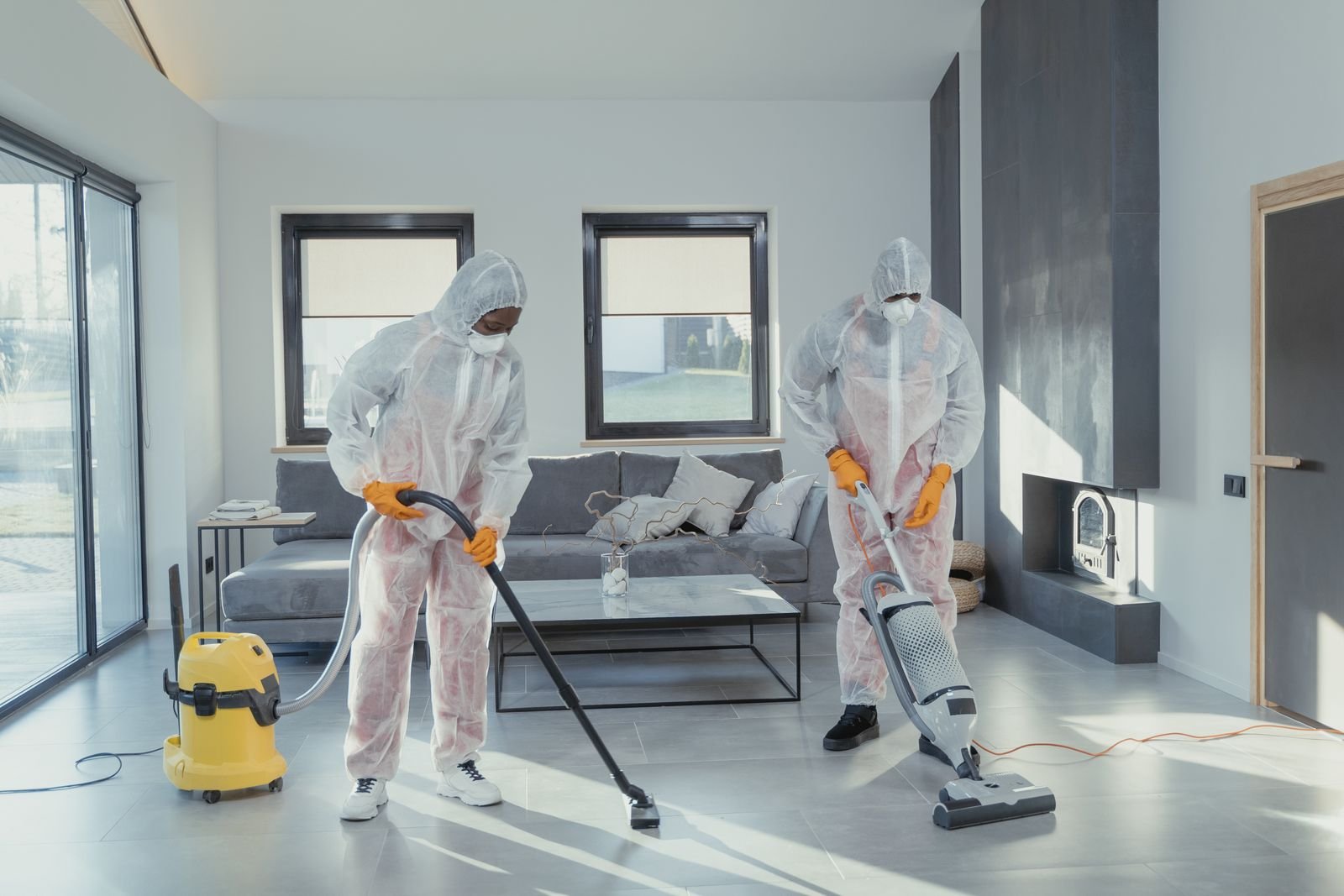
Once we've confirmed which one (or both) is feeding the growth, the removal itself is standard IICRC S520 protocol: contained work area, negative-pressure HEPA filtration, physical removal of anything porous that's absorbed moisture, structural drying, and a final clearance check. For a smaller apartment building nearby, the same logic applies to shared walls and plumbing chases instead of attics and crawl spaces. Full sequence on our IICRC S520 mold remediation process page.
Attic and Crawl-Space Mold Near the Terminus
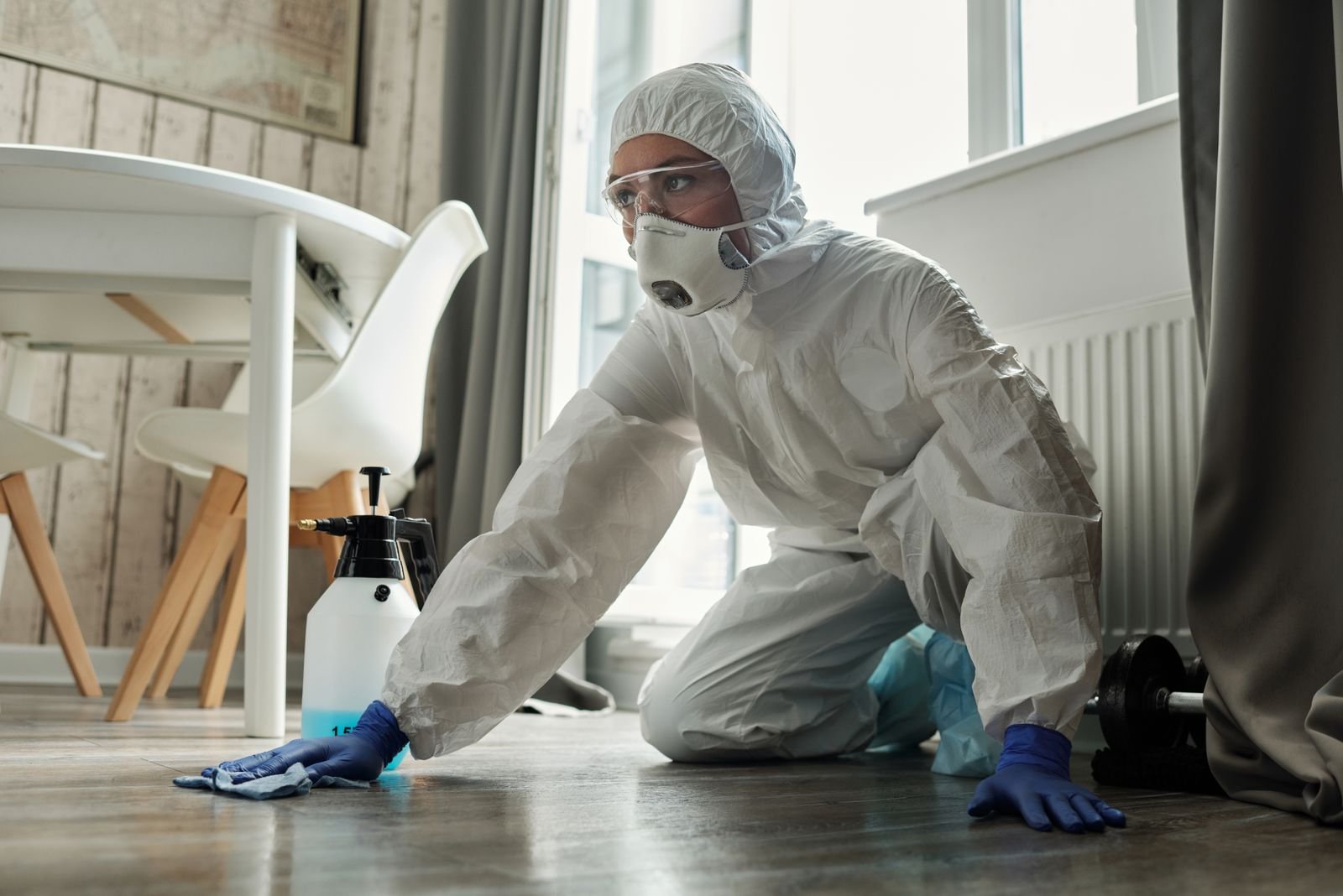
The streets around Cleveland Avenue Station are largely older single-family homes, and attic condensation and crawl-space moisture are two of the most common calls we get here. Warm, moist indoor air condensing on cold roof sheathing feeds mold across the attic deck, while ground moisture under an unprotected crawl space feeds mold on joists and subfloor. We find the moisture source first, then contain, remove, and dry the affected area.
- HEPA filtration and negative air on every job
- The moisture source found and corrected, not just the stain
- Attic and crawl-space specialists
Why Attic and Crawl-Space Jobs Scale Differently Than a Bathroom Patch
A small bathroom or closet patch is usually the cheapest kind of job we quote. Attic and crawl-space work near Cleveland Avenue tends to run larger not because the mold itself is worse, but because the affected surface area follows the whole condensation or moisture line — an entire section of roof deck along the ridge, or the full run of joists above a wet crawl space, rather than one contained patch. Once we're in there anyway, addressing the whole affected run in one visit is almost always cheaper than doing it in stages as the stain creeps further each season.
We size the quote to what the inspection actually finds in your attic or crawl space, not a generic per-square-foot guess, and there's no flat rate quoted without a look first. A professional mold inspection is worth it if you want to know the scope before committing to removal. Call (713) 325-6192 for an assessment of your specific home near NE 8th Ave.
Specialists for the Older Housing Stock Near the Terminus
The park-and-ride at 1200 NE 8th Ave marks the end of the line, but the older homes and smaller apartment buildings on the surrounding streets are exactly the housing type we spend the most time in — attics, crawl spaces, and the moisture patterns that come with decades-old construction. Read the Cleveland Avenue Station area overview, step up to mold removal in Downtown Gresham, or see mold removal in Gresham, OR citywide.
Call (713) 325-6192Frequently Asked Questions
Straight answers for the Cleveland Avenue Station area.
Mold Near Cleveland Avenue Station? Call Now.
Call Gresham Mold Removal at (713) 325-6192. Local inspection, the moisture source found and fixed, an IICRC S520 removal with HEPA containment, and verified clearance — for the homes and apartments near Cleveland Avenue Station, ZIP 97030. Licensed, bonded, and insured.
(713) 325-6192Cleveland Avenue Station area guide