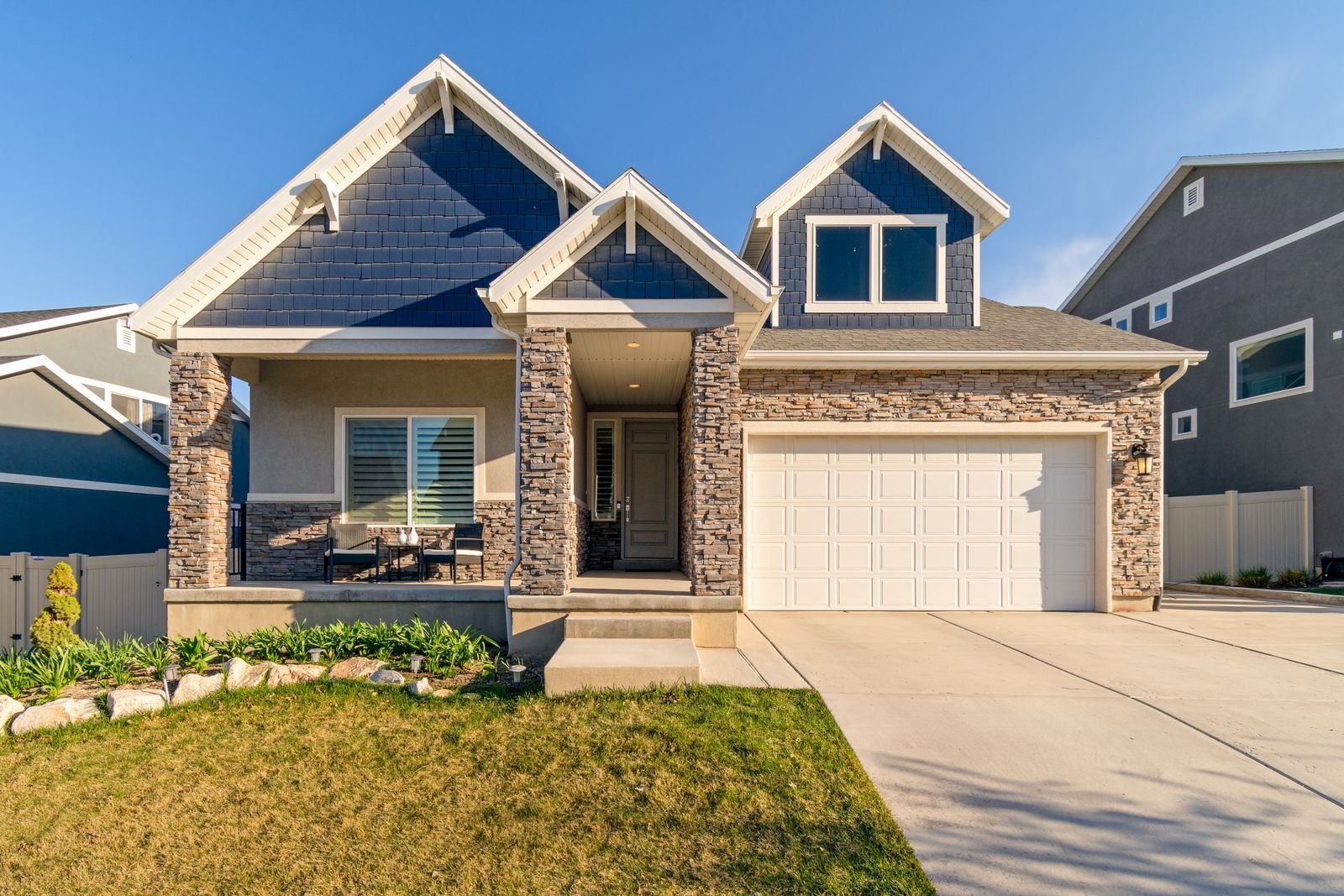
Mold Removal in Centennial, Gresham OR
Watching mold creep back along the bathroom grout, smelling something musty from the laundry room, or finding a dark stain on a ceiling after a wet winter? In the Centennial neighborhood of SE Gresham — the family-home streets around Sam Barlow High School in ZIP 97080 — Gresham Mold Removal is the local crew that inspects, finds the moisture feeding the mold, contains the room, and removes the growth to an IICRC S520-aligned standard. We serve the houses, rentals, and townhomes across Centennial.
Yes — We Treat Mold in Centennial Gresham
If you own or rent a home in Centennial — the family neighborhood in southeast Gresham built around Sam Barlow High School, inside ZIP 97080 — you are well within our service area, and we come to you. Gresham Mold Removal is a service-area business that focuses on one thing: finding mold, removing it, and stopping it from coming back by correcting the moisture that caused it. That focus is the difference. The inspection is more thorough, the removal follows the recognized IICRC S520 standard, and the water source behind the problem becomes part of the repair instead of an afterthought. Centennial is a household-heavy part of SE Gresham, so most of what we treat here is the everyday moisture of busy family living — bathrooms, laundry rooms, and the attic and crawl space.
This page is the area hub for Centennial. It grounds the neighborhood, explains why family homes here tend to collect moisture, and points you to the most direct next step. When you are ready to book work in this part of SE Gresham, head to mold removal in Centennial Gresham, the page for scheduling on these streets. For the citywide picture you can step up to the Gresham mold removal overview, and the full directory of neighborhoods and landmarks lives on our all service areas page. Whatever you are seeing — a spreading ceiling stain, a musty smell that will not clear, or fuzzy growth along a baseboard — call (713) 325-6192 and we will confirm it, find the source, and build a removal plan.
About the Centennial Neighborhood — SE Gresham, 97080
Centennial sits in southeast Gresham, the part of the city often called Centennial-Gresham after the high school at its heart. It falls inside ZIP 97080, the larger of the two Gresham ZIPs, and the streets here are overwhelmingly residential: single-family houses, townhomes, and rental homes rather than the mixed-use density of the downtown core. Sam Barlow High School at 5105 SE 302nd Avenue anchors the neighborhood, and the surrounding area draws the families you would expect around a comprehensive high school — multi-generation households, homes with kids, and rentals that turn over between school years. That family-oriented character is exactly what shapes the moisture story here, because higher occupancy means more daily water moving through a house than the original ventilation was ever sized for.
A busy family home runs showers back to back in the morning, keeps the laundry going most days, and cooks full meals on a schedule, and every one of those activities pushes warm, humid air into the living space. With limited bathroom and kitchen ventilation, that moisture does not simply vanish — it settles on the coolest surfaces it can find. Add the Pacific Northwest's long wet season, roughly eight months of rain that keeps indoor humidity higher than people realize, and the result is the recurring bathroom and utility-room mold that Centennial homeowners describe most often. It traces back to water sitting somewhere it should not, which is exactly what an honest mold job has to find first.
Why Family Homes in Centennial See Recurring Mold
The most common surface mold we treat in Centennial starts where humidity peaks inside the house: along shower grout and silicone, on the wall behind a toilet, under window sills that sweat all winter, and around the washer and dryer in the utility room. These are not signs of a dirty home — they are signs of moisture with nowhere to go. When a bathroom fan is undersized, vents into the attic instead of outside, or simply is not run long enough after a hot shower, the humidity condenses on the nearest cool surface and feeds mold on the same schedule every wet season. The fix is rarely just scrubbing the spot; it is correcting the ventilation so the spot stops coming back.
Beyond the visible bathroom and laundry mold, Centennial homes share the hidden sources common across SE Gresham. Attic condensation is a frequent one: warm, moist indoor air leaks up into a cold attic, condenses on the underside of the roof sheathing, and grows mold where no one looks until a musty smell or a ceiling stain gives it away. Crawl-space vapor is the mirror image below the floor, where ground moisture and poor ventilation keep the framing damp through winter. Roof and plumbing leaks add the third path — a slow drip behind a wall that surfaces as a stain weeks after the water started. The EPA and CDC are clear on the principle that ties these together: there is no practical way to eliminate every mold spore indoors, and the only durable control is to fix the moisture. Remove the water source and you remove the mold's food; leave it and the mold returns no matter how thoroughly the surface is cleaned.
Around Sam Barlow High School in Centennial
The residential streets surrounding the Centennial-Gresham anchor.
Sam Barlow High School
The comprehensive high school at 5105 SE 302nd Avenue that anchors Centennial. The family homes and rentals on the surrounding streets share the same SE Gresham moisture pattern, and our source-first approach covers all of them.
How We Remove Mold in Centennial Homes
Every job in Centennial starts with a real inspection. A technician confirms the mold, identifies the moisture feeding it, and maps how far it has spread before recommending anything — because removing mold without fixing the water just lets it grow back on the same schedule. In a family home that means a disciplined look at the bathrooms, the laundry area, the attic, the crawl space, and anywhere a stain or musty smell points. The EPA's guidance frames the scope plainly: a patch of mold under about ten square feet is often a job a homeowner can handle, but anything larger, anything tied to serious water damage, or anything inside an HVAC system calls for a professional and proper containment. A mold inspection is the right starting point when you suspect a hidden source you cannot see.
From there the work follows the IICRC S520 sequence. We seal the work area and run HEPA filtration with negative air pressure so spores cannot drift into the rest of an occupied house — the single biggest difference between a contained professional job and a wipe-and-pray that spreads a one-room problem through the whole home. This is what makes removal safe with kids in the house: the spores stay inside the containment instead of traveling through the living space. Inside that containment we physically remove the mold and the porous materials it has grown into, since saturated drywall and insulation cannot be reliably cleaned. Then we dry the structure and confirm the moisture is corrected before we close the job. When black mold — Stachybotrys — turns up behind a wall that has been wet a long time, it gets the same source-first, contained treatment under full mold remediation; the species changes the care taken, not the underlying method.
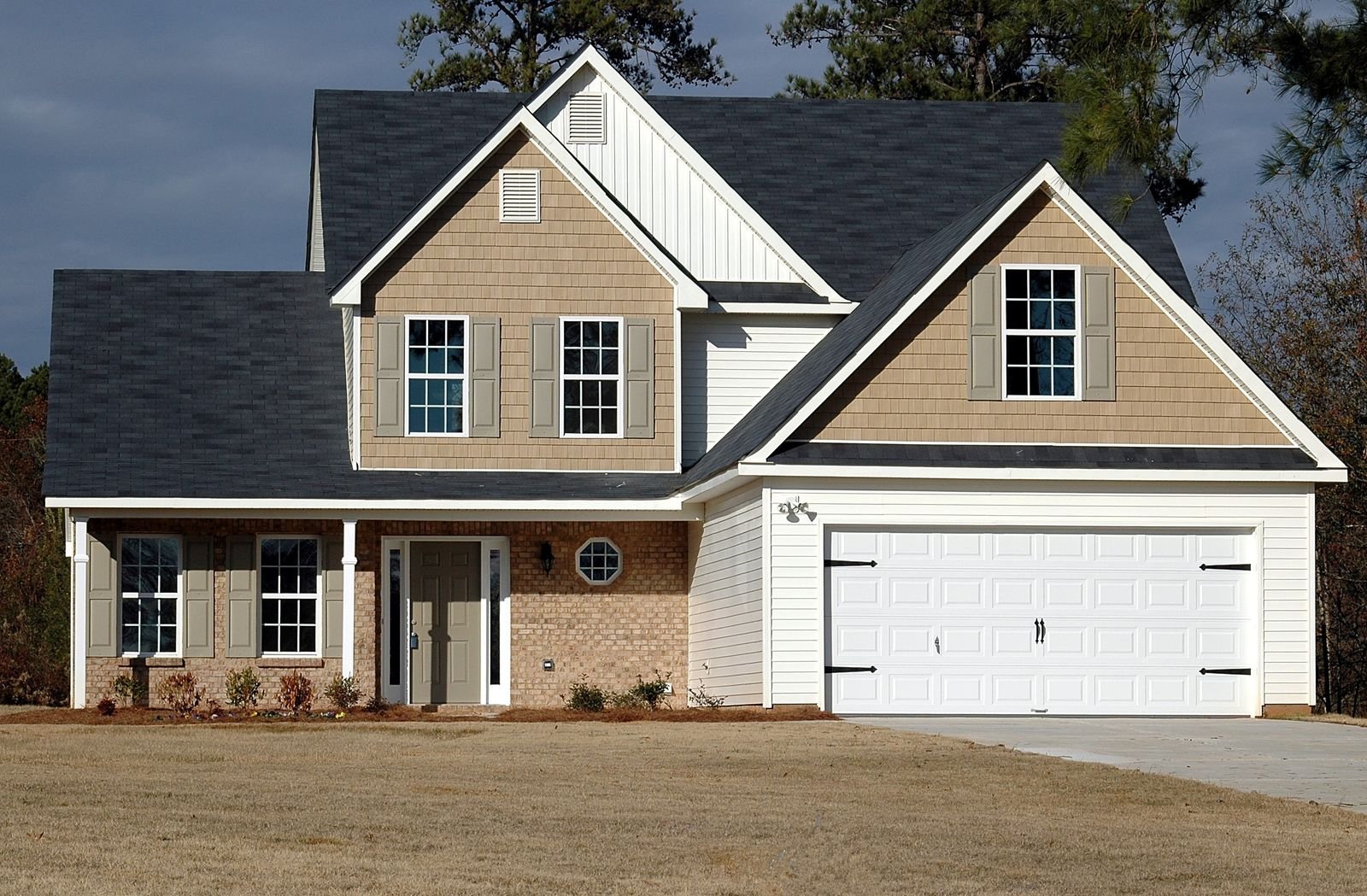
Fix the Moisture, Then Contain and Remove
In a busy Centennial family home, recurring bathroom and laundry mold almost always traces back to ventilation that cannot keep up with daily moisture. We correct that moisture path first, then seal and HEPA-filter the work area so removal never spreads spores through the rest of an occupied house.
- The ventilation or moisture source found and corrected, not just the stain
- HEPA filtration and negative air so removal is safe in an occupied home
- Attic and crawl-space sources checked, not just the visible room
One Local Team Across SE Gresham
From the streets around Sam Barlow High School to the rest of the Centennial neighborhood in 97080, it is the same Gresham-based crew — a short local trip, not a cross-metro drive, with same-day assessments available for urgent water-damage cases. Step up to the Gresham mold removal overview for the citywide picture, or browse all service areas for every neighborhood and landmark we cover. You can also read how we work at Gresham Mold Removal.
Mold removal in Centennial GreshamFrequently Asked Questions
Straight answers for Centennial families.
Mold in Your Centennial Home? Call Now.
Call Gresham Mold Removal at (713) 325-6192. Local inspection, the moisture source found, an IICRC S520-aligned removal, and a clean result — for family homes across Centennial in SE Gresham, ZIP 97080. Licensed, bonded, and insured.
(713) 325-6192Mold removal in Centennial Gresham