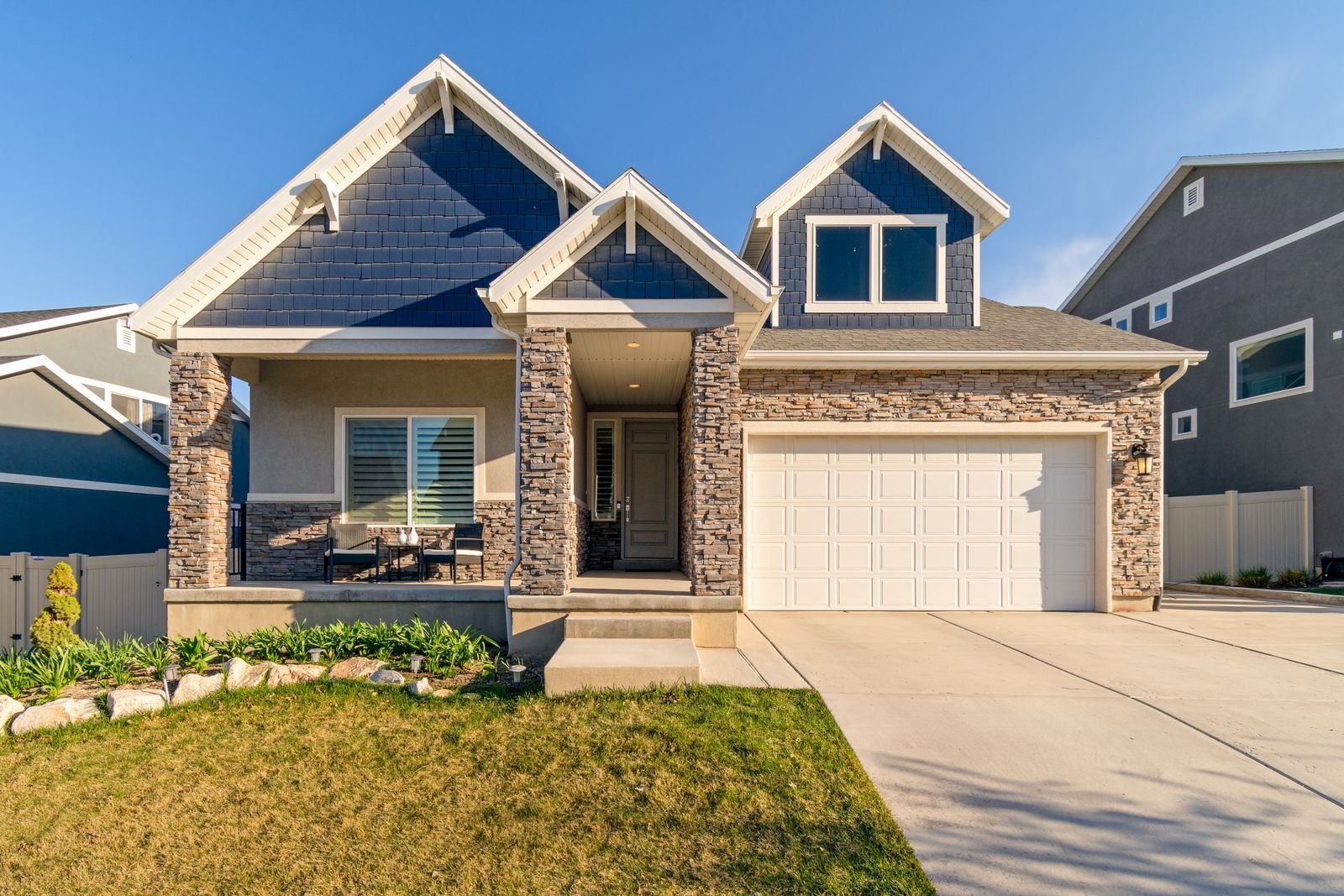
Mold Removal in Powell Valley, Gresham OR
Spotting fuzzy growth on a wall, smelling a musty earthy odor that will not clear, or drying out after a leak in a home or rental across the Powell Valley district? Gresham Mold Removal is the local crew that inspects, finds the moisture feeding the mold, contains the area, and removes the growth to an IICRC S520-aligned standard. Powell Valley is one of Gresham's largest neighborhoods and it straddles both ZIP codes, so we cover the whole district — from the streets near Mt. Hood Community College to the corridors along Powell Boulevard and Burnside Road, in 97030 and 97080.
Yes — We Treat Mold in Powell Valley
If you live, rent, or manage property in Powell Valley, you are squarely inside our service area, and we come to you. This is one of Gresham's largest neighborhoods, and it is unusual in that it straddles both of the city's ZIP codes — 97030 and 97080 — so a single district can read as two on a map. That does not change anything for us: both ZIPs are inside our coverage, and wherever you are between Division, Powell, Burnside, and the eastern city limits, the same local crew responds. Gresham Mold Removal is a service-area business that focuses on one thing: finding mold, removing it, and stopping it from coming back by fixing the moisture that caused it. That focus is the point. The inspection is sharper, the removal follows the recognized IICRC S520 standard, and the water source behind the problem becomes part of the fix rather than an afterthought.
This page is the area hub for Powell Valley. It maps the district, explains why the housing stock here collects moisture, and points you to the most direct next step. When you are ready to book work in this neighborhood, head to mold removal in Powell Valley, which is the page for scheduling. For the wider picture you can step up to Gresham mold removal overview for the citywide view, and the full directory lives on our all service areas page. Whatever you are seeing — a stain spreading across a ceiling, a smell that will not clear, or fuzzy growth along a baseboard or window frame — call (713) 325-6192 and we will confirm it, find the source, and build a removal plan.
Where Is Powell Valley — and Why Moisture Shows Up Here
Powell Valley is a large residential district on the south and east side of Gresham. Roughly speaking, it runs from Division Street on the north down to Powell Boulevard on the south, and from Burnside Road on the west out to the eastern city limits. That footprint is big enough that it spans both of Gresham's ZIP codes, sitting partly in 97030 and partly in 97080, which is why residents on different streets can have different ZIPs while still living in the same neighborhood. Inside those boundaries sits the city's college-and-medical district: Mt. Hood Community College, the 26000 SE Stark Street campus that draws students, staff, and visitors from across east Multnomah County, and Legacy Mount Hood Medical Center, the hospital that anchors the area's health services. The housing around them is a mix — older single-family homes on established streets alongside a steady supply of rental housing geared to the people who study and work nearby.
That blend of building stock is exactly what makes moisture worth a closer look here. Older single-family homes carry the features that quietly hold water: aging roofs that have lost a few years of life, vented crawl spaces underneath, attics with thin or settled insulation, and bathrooms that were never built for the ventilation today's showers demand. The rentals near the college add their own pressure — higher occupancy means showers and laundry run hard, and when ventilation cannot keep up, the moisture lingers. Layer the Pacific Northwest's long wet season over all of it — roughly eight months of cool rain that keeps outdoor humidity high and pushes indoor humidity higher than people realize — and you get window condensation, damp crawl spaces, and the occasional roof or plumbing leak that feeds mold out of sight. None of it is exotic. It all traces back to water sitting somewhere it should not, which is exactly what an honest mold job has to find.
Older Homes, Busy Rentals, and a Wet Oregon Winter
Mold needs three things to grow, and only one of them is ever in short supply indoors: a surface, organic food, and moisture. Drywall, wood framing, and insulation supply the first two everywhere, so the entire question on a Powell Valley job comes down to where the water is. In the older single-family homes that make up much of the district, the usual suspects are the crawl space and the attic. Vented crawl spaces draw in damp outdoor air and ground vapor through the long wet winter, and when the soil under the house gives up moisture, it condenses on cold floor joists and subfloor — the most common hidden-mold source in this kind of housing. Attics tell the parallel story: warm, moist indoor air rises, meets a cold roof deck, and condenses, feeding mold on the sheathing where no one looks until a stain bleeds through a bedroom ceiling.
The rental housing near Mt. Hood Community College carries a different load. High-occupancy student and staff rentals run showers, laundry, and cooking far harder than a typical single-family home, and many were not built with bathroom and kitchen ventilation sized for that use. Through a wet Oregon winter, that combination breeds bathroom mold, closet mildew, and growth behind furniture pushed against cold exterior walls. The fix is the same regardless of who owns the home: control the moisture. The EPA is blunt about it — there is no practical way to eliminate every mold spore indoors, and trying to is the wrong goal; the durable answer is to fix the water and keep indoor humidity in check, because as long as the moisture is there, the mold comes back. That is why every job here starts with the source, not the stain.
Powell Valley Landmarks and Corridors
Powell Valley is large, so we treat its anchor landmarks and corridors as their own coverage zones. Each links to a dedicated page for that part of the district.
How We Remediate Mold in Powell Valley
Every job here starts with a real inspection. A technician confirms the mold, identifies the moisture feeding it, and maps how far it has spread before recommending anything — because removing mold without fixing the water just lets it grow back on the same schedule. In an older single-family home that means the disciplined look underneath and overhead: the crawl space for ground vapor and standing water, the attic for condensation on the sheathing, the bathrooms for fan and grout failures, and anywhere a stain or musty smell points. In a busy rental near the college it means checking the high-use bathrooms and laundry areas, the closets and exterior-wall corners where condensation collects, and the ventilation that was supposed to carry that moisture out. The EPA's guidance frames the scope: a patch under about ten square feet is often a do-it-yourself job, but anything larger, anything tied to serious water damage, or anything inside an HVAC system calls for a professional and proper containment. A mold testing & air sampling step helps when the smell is there but the source is hidden; when the growth is visible and the cause is known, removal comes first.
From there the work follows the IICRC S520 sequence. We seal the work area and run HEPA filtration with negative air pressure so spores cannot drift into clean rooms — the single biggest difference between a contained professional job and a wipe-and-pray that spreads a one-room problem through the house. Inside the containment we physically remove the mold and the porous materials it has grown into, since saturated drywall and insulation cannot be reliably cleaned. Then we dry the structure, treat the surfaces, and confirm the area is clean before closing the job. Crucially, we correct the moisture as part of the work — a vapor barrier and better ventilation in the crawl space, a fixed bath fan, a repaired leak — so the problem does not simply return next winter. If the trouble is underneath the house specifically, our crawl space mold removal page covers that approach in full.
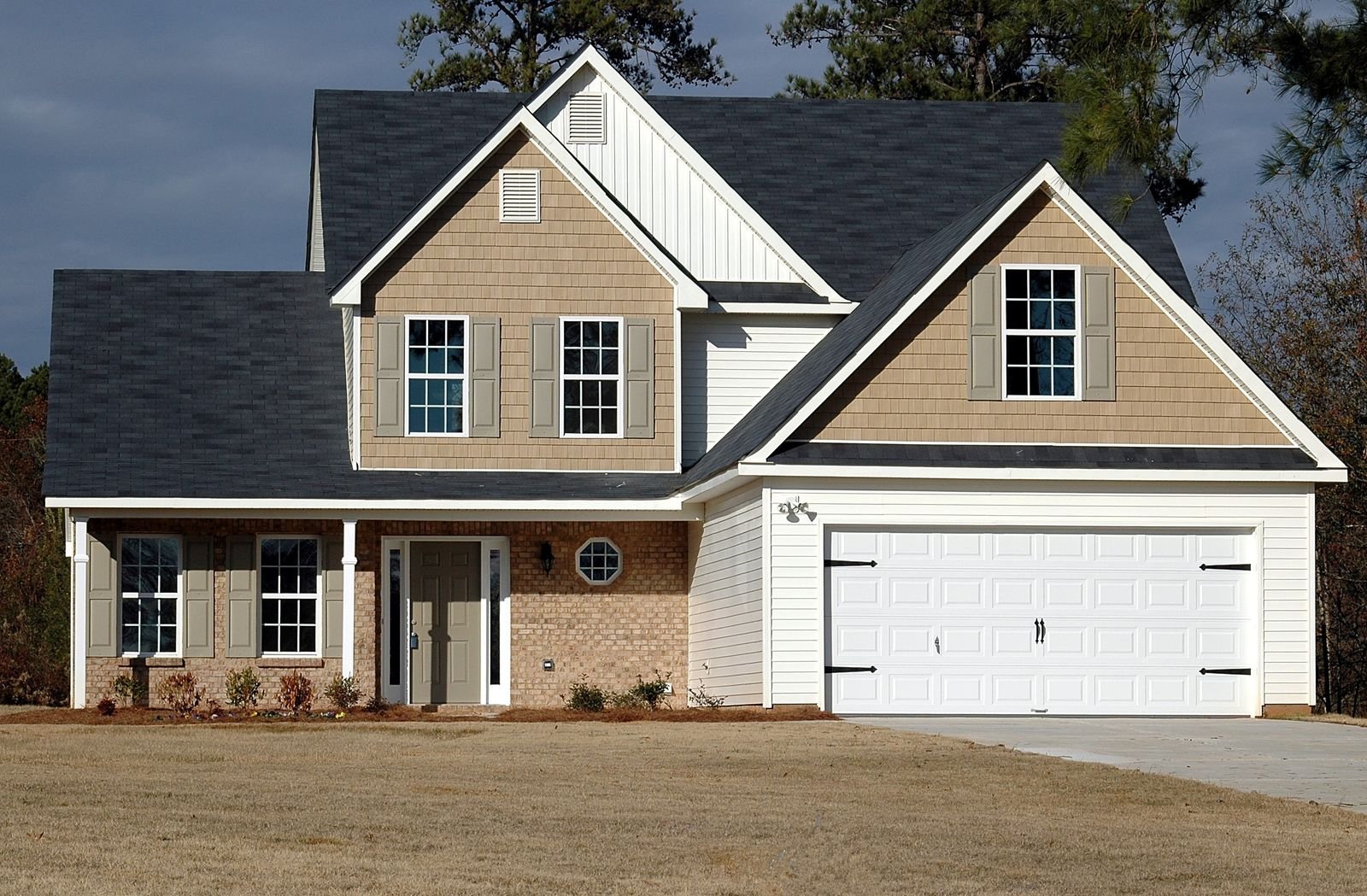
Crawl-Space Vapor and Attic Condensation
In Powell Valley's older homes, hidden mold usually traces to one of two places: a vented crawl space collecting ground vapor through the wet winter, or an attic where warm indoor air condenses on a cold roof deck. We address the crawl space with a vapor barrier and ventilation, and the finished interiors with HEPA-contained removal and air sampling — fixing the water in both cases, not just the stain.
- HEPA filtration and negative air on every job
- The moisture source found and corrected, not just the stain
- Crawl-space vapor barrier and ventilation where needed
One Local Team Across the Whole District
From the rentals near Mt. Hood Community College to the homes along Powell Boulevard and out to Burnside Road, it is the same Gresham-based crew across all of Powell Valley — a short local trip, not a cross-metro drive, with same-day assessments available for urgent water-damage cases in both 97030 and 97080. Step up to Gresham mold removal overview for the citywide picture, or browse all service areas. You can also read how we work at Gresham Mold Removal.
Mold removal in Powell ValleyFrequently Asked Questions
Straight answers for the Powell Valley district.
Mold in Powell Valley? Call Now.
Call Gresham Mold Removal at (713) 325-6192. Local inspection, the moisture source found, an IICRC S520-aligned removal, and verified clearance — for homes and rentals across the Powell Valley district, ZIPs 97030 and 97080. Licensed, bonded, and insured.
(713) 325-6192Mold removal in Powell Valley